
Guarding It
Welcome to The Trust Times, our magazine about the science of building trust. What makes a client comfortable handing you their personal information? According to the studies in this issue, people judge people and systems that hold their data by whether they seem reliable and honest, and by how plainly they explain where the data goes.
The first study we’ve highlighted is from the Journal of Medical Internet Research. Adults across the UK were asked what makes someone worth trusting. Sharing their values came last, and being reliable and keeping promises came first by a wide margin. Asked what would make a technology company worth trusting with their health data, they put behaving responsibly and being open about what it does at the top.
The second study is from Management Review Quarterly. Researchers pooled studies of trust in online marketplaces, payment services and home-sharing sites. Security and privacy moved trust only moderately, which the authors called surprising. The closest link was to whether people saw the platform itself as competent, well-meaning and honest.
The third study is from Behaviour & Information Technology. Adults read the terms for smart glasses from a made-up brand, and every version said the company would sell their personal information. Some also saw a simple picture explaining the privacy policy. With the picture, the same terms felt far less intrusive, and people trusted the company more.
I chose these three because clients hand a wealth management firm some of the most personal information they have, from tax returns to estate plans, and each study shows what people look for in whoever holds that information.
Three more useful studies on trust next week.

Sources · Issue No. 13
About This Issue
Three peer-reviewed studies on how trust is built, retold in plain language. The “at your desk” sections are our editorial application, not claims made by the researchers.
Why people trust someone with their data: a record of keeping promises, a provider that seems competent and honest, and a plain picture of where the data goes and why.
In our previous issue we covered three studies on how far trust, and a blow to it, travels. Read the previous issue.
Keeping Promises Beat Shared Values Nearly 3 to 1 as a Reason to Trust
Asked what makes anyone worth trusting, 1,192 UK adults picked being reliable and keeping promises nearly three times as often as sharing their values. With their health data, they wanted technology companies to behave responsibly and be open about what they do.
Goodman, J. R., Costa, A., & Milne, R. (2025). Trust and perceived trustworthiness in health-related data sharing among UK adults: Cross-sectional survey. Journal of Medical Internet Research, 27, e83533. Open access: doi:10.2196/83533
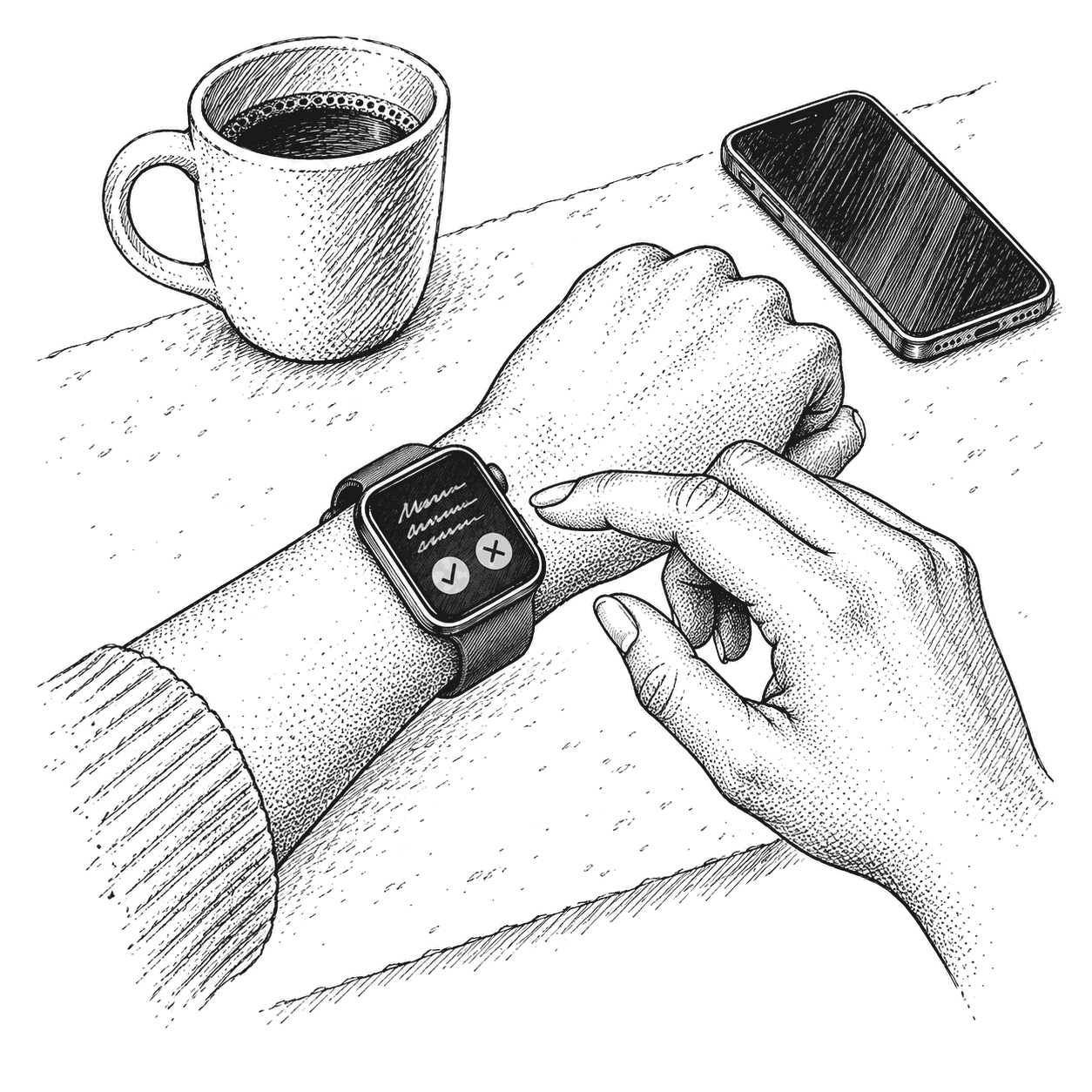
A fitness watch buzzes on a wrist and asks a question: share your heart rate and sleep data with the company that made it? Yes or no. Whoever is wearing it has a second or two to decide whether that company deserves the data.
Jonathan Goodman, Alessia Costa and Richard Milne, researchers based in and around Cambridge, England, wanted to know what people weigh in a moment like that. Their survey of UK adults found that the quality people most want in anyone they trust is plain reliability. Sharing their values came last.
The survey

Over three days in July 2022, 1,192 adults, chosen to match the UK population by age, sex and education, answered an online survey about trust.
First came a general question. When you think about whether you can trust someone, which three of eight reasons matter most? The list ran from ‘They are good at what they do’ and ‘They are open about what they are doing’ to ‘They share my values’ and ‘They are familiar to me.’
Then the survey got specific. It asked whether people could trust their family, the National Health Service, and technology companies with data about their health, and which three reasons would matter most for each.
What they found
Asked what makes anyone worth trusting, nearly two in three picked ‘They are reliable and keep their promises,’ more than any other reason. ‘They behave responsibly’ came second. ‘They share my values’ came last, chosen by about one in five, putting keeping promises ahead of shared values nearly three to one.
That ordering held when the researchers sorted people by how much they trusted others with their health data. Whether people trusted a little, a moderate amount or a lot, each group rated reliability highly, and each group put shared values and familiarity near the bottom.
People were split on trust itself. Asked whether most people can be trusted, about as many said usually not as said usually. But those who trusted people in general also gave higher trust ratings to their family, the health service and tech companies with their health data.
Who gets the health data
The reasons shifted with the relationship, which is the authors’ main point: trust depends on who is asking for it and for what. For family, familiarity came first, and being good at what they do came last. For the National Health Service, behaving responsibly came first and shared values came last.
Technology companies got the least trust of the three: fewer than half said they usually or almost always trusted them with health data. For a tech company, people chose behaving responsibly and being open about what it does as their top reasons. Sharing their values came last again.
And that trust went with the decision on the wrist. People who trusted tech companies more with their health data said they were more willing to use a device that tracks their health in the future.
Back to the watch. By this survey’s answers, the person wearing it isn’t asking whether the company believes what they believe. The reasons people chose point to two other questions: does the company behave responsibly, and does it say plainly what it does with the data?
What This Could Mean at Your Desk
Lead with the record, not the common ground. Advisors are often coached to find common ground with a prospect. In this survey, sharing values was the reason people chose least, and being reliable and keeping promises the one they chose most. A client deciding whether to hand over tax returns, account statements and estate documents may care more that you did what you said last quarter than that you see the world the same way.
Say what happens to their data before they ask. With technology companies, the people in this survey put being open about what the company does at the top of their list. A new client’s paperwork goes to a custodian, into planning software and into the firm’s client database. Walking through that list at onboarding answers the watch’s question before the client has to ask it.
Let the client see you behave responsibly. Behaving responsibly was a top reason for trusting both the health service and tech companies. For an advisor, the visible version may be small: sending documents through a secure portal rather than email, asking before sharing a statement with the client’s accountant, and saying when you’ve deleted what you no longer need.

The bottom line
Asked what makes anyone worth trusting, UK adults chose being reliable and keeping promises nearly three times as often as sharing their values. With their health data, they wanted technology companies to behave responsibly and be open about what they do, and again put shared values last.
Across 74 Studies, Trust in Online Platforms Tracked Competence and Honesty Most Closely
Pooling 74 studies of online marketplaces, payment services and home-sharing sites, researchers found that seeing a platform as competent, well-meaning and honest had the closest link to trust of 14 factors. Security and privacy were linked only moderately, which the authors called surprising.
Oesterreich, T. D., Anton, E., Hettler, F. M., & Teuteberg, F. (2025). What drives individuals’ trusting intention in digital platforms? An exploratory meta-analysis. Management Review Quarterly, 75(4), 3615-3667. Open access: doi:10.1007/s11301-024-00477-2
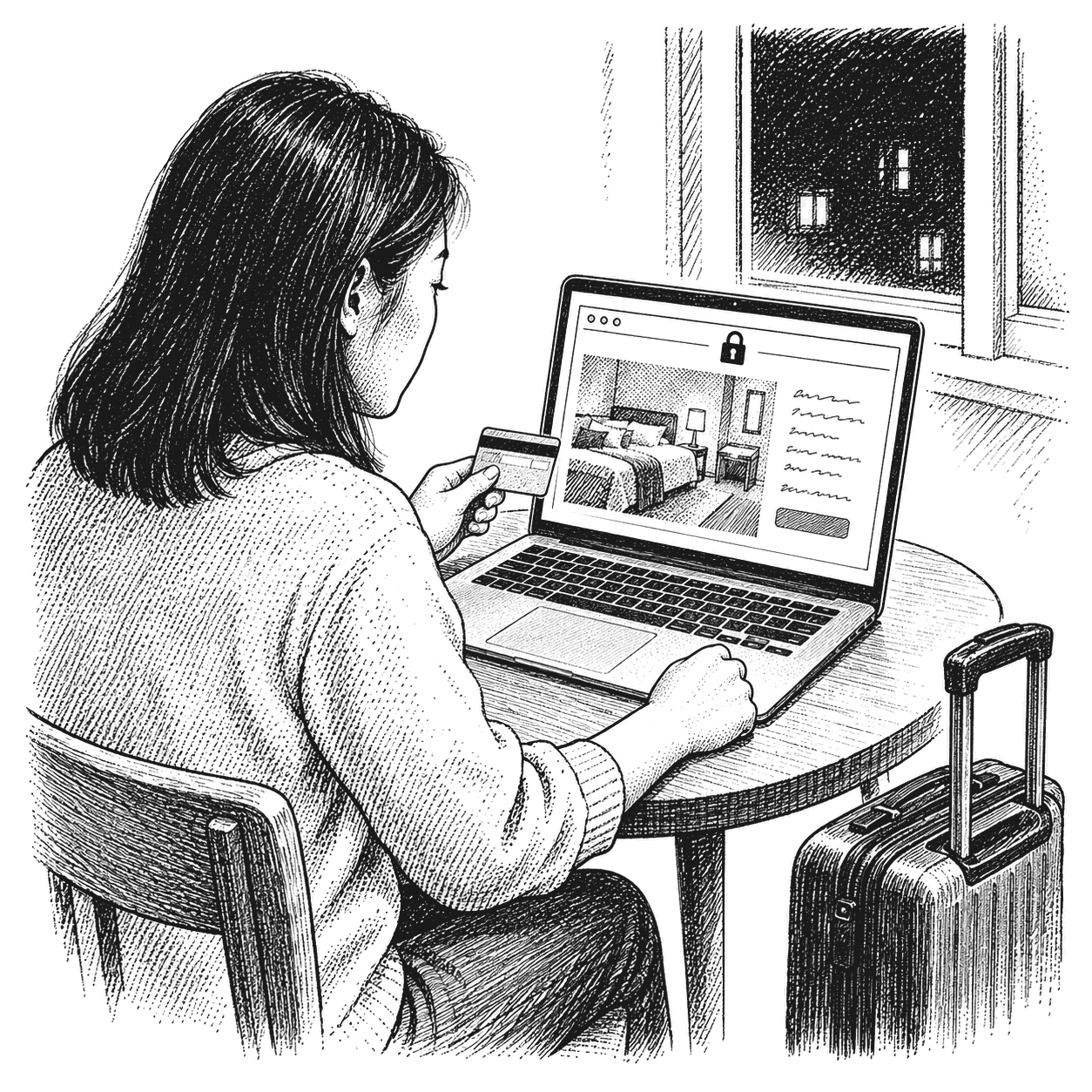
A traveler is about to book a stranger’s flat through a home-sharing site. To do it she has to hand over her card number, her travel dates and the fact that her own home will sit empty that week. The site shows a padlock in the address bar and a page about how it keeps her data safe.
Thomas Oesterreich and three colleagues set out to learn what people like her weigh when they decide to trust a platform. They pooled 74 studies of trust in online marketplaces, auction sites, payment services and home-sharing apps. Security and privacy were linked to trust, but only moderately, which the authors called surprising. The closest link of the 14 factors they tracked was whether people saw the platform as competent, well-meaning and honest.
Pooling the studies
The team searched two large research databases and followed citations forward and backward until they had 74 studies from 72 articles. Each one measured how willing people were to trust a digital platform, along with at least one thing that might move with that trust.
The factors fell into five groups. Some were beliefs about the platform: whether it was competent, meant well and was honest, or whether it was reliable and worked properly. Some came from research on why people take up new technology, such as how useful, easy and enjoyable the platform was. Some were about the system, such as security, privacy, and how well it ran. Some were about the company behind it: its reputation, its service, and the assurances around it, such as contracts, rules and guarantees. The rest were about the user, such as how familiar they were with the platform and how they felt about it.
For each factor, the team combined the studies into one measure of how closely it moved with trust, on a scale where zero means no link and one means the two move in lockstep.

What they found
Every one of the 14 factors was linked to trust. The closest link was to whether people saw the platform as competent, well-meaning and honest. Close behind came how people felt about the platform, its reputation, the assurances around it, and how useful it was.
Security and privacy sat in the middle of the pack, alongside how easy the platform was to use and how well it ran. Given the money people hand over on these sites, the authors had expected them to rank among the strongest. Familiarity with the platform had the weakest link of all.
The pattern held across the kinds of people studied. Whether a study surveyed students or other adults, and whether it was run in a richer or a poorer economy, made no reliable difference to how closely these factors tracked trust. The one shift over time was in service quality, whose link to trust grew weaker in more recent studies.
Why the human qualities led
The authors’ reading is that platforms are places where people deal with other people, and with the company in between, so they judge a platform much as they would judge a person. Beliefs about honesty, good intentions and competence went with trust more closely than beliefs about how reliably the system worked.
Reputation, which the authors define as a record of meeting obligations to users, and assurances such as contracts and guarantees also had strong links to trust. Their advice to platforms is to show those safeguards, and the legal and contractual framework behind them, where users can see them.
For the traveler, the padlock still counts: security was linked to trust. But across these studies, trust moved more closely with other judgments: whether the company behind the site seems competent, means well and is honest, and whether it has a record of doing what it says.
What This Could Mean at Your Desk
Don’t let the security talk stand alone. Most advisors can describe encryption, two-step login and the custodian’s safeguards. In these studies, security moved with trust, but less than whether people saw the platform as competent, well-meaning and honest. A client who asks ‘Is my data safe?’ may also be asking whether your firm is the kind that would handle it well.
Show your record of meeting obligations. The authors define reputation as a record of meeting obligations, and it had one of the strongest links to trust. A plain account of how the firm handled its last custodian or software change, and what clients were told at each step, is a record a client can weigh.

Put the assurances where the client can see them. Contracts, rules and guarantees also tracked trust closely. The client agreement, the fiduciary duty you work under and the custodian’s account protection are all assurances. Pointing to them, in writing, is the advisor’s version of the safeguards the authors suggest platforms display.
The bottom line
Across 74 studies of online marketplaces, payment services and home-sharing sites, seeing the platform as competent, well-meaning and honest had the closest link to trust of the 14 factors the researchers tracked. Security and privacy were linked to trust only moderately, less than the authors expected.
A Picture of the Privacy Policy Halved How Intrusive It Felt
286 adults read the terms for smart glasses from a made-up brand that would sell their personal information. With an infographic explaining the privacy policy, the terms felt about half as intrusive and people trusted the company more, especially when they were told why their data would be sold.
Magrizos, S., Campora, M., Lamprinakos, G., Giovanis, A., & Christofi, M. (2026). Transparency by design: The effect of privacy policies visualisation on brand trust and perceived intrusion. Behaviour & Information Technology, 45(3), 450-462. Open access: doi:10.1080/0144929X.2025.2520594

Before you can try the new smart glasses, there are terms to accept. They’re short, as these things go. Somewhere in them is a sentence saying the company, Real Glasses, can sell your personal information to third parties.
Real Glasses doesn’t exist. Solon Magrizos and four colleagues invented it for an experiment on how people react to a privacy policy. Among 286 adults, the policy felt about half as intrusive when an infographic explained it, and the people who saw that infographic trusted the company more. Every version said their data would be sold.
The authors argue that privacy policies have barely changed in form since the early days of the internet. European rules require plain language, but they don’t say how the information must be shown, unlike food labels, where the format is set. The result is a wall of text that many people accept without reading.
The experiment
The 286 adults, aged 18 to 55 and all smartphone owners, were told they were giving their views on a new pair of smart glasses. Each read a shortened version of the terms and conditions, and every version said the company could sell customers’ personal information to third parties.
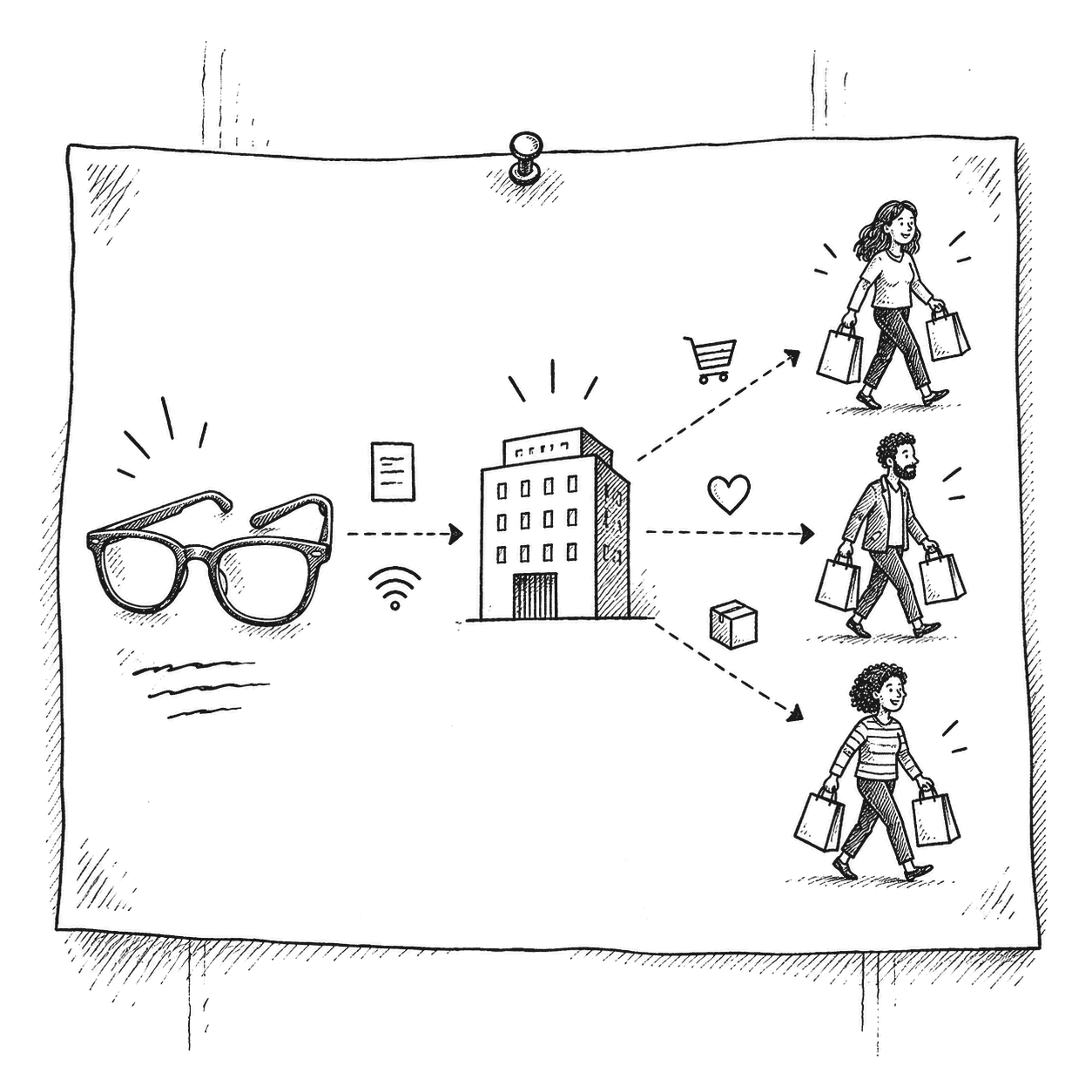
Then the versions split two ways. Half saw an infographic that explained the privacy policy in pictures and text. The other half read the same policy beside a different infographic, one that explained what the glasses do. Separately, half were told why their data would be sold: ‘so that the users gain from personalised advertising and so that the price of the glasses is kept as low as possible.’ The rest were told only that selling it was ‘following industry practice.’
Afterward, everyone rated how intrusive and invasive they found the way the policy was communicated, and how much of an imposition reading it was. They also rated how far they trusted the company, and whether it seemed reliable and truthful.
What they found
The infographic cut how intrusive the policy felt by about half. People who read the policy beside the unrelated picture rated it near the middle of the scale. People who saw the explanatory picture rated it low. The glasses, the company and the sale of the data were the same in both versions. Only the explanation beside the policy changed.
Those who saw the infographic also trusted Real Glasses more, and the more people trusted the company, the less intrusive the policy felt. In the researchers’ analysis, much of the drop in intrusiveness moved through that rise in trust.
Why the reason mattered
The reason for selling the data mattered too, although it never changed the fact of the sale. The infographic raised trust more for people told that the sale kept the glasses cheaper and paid for personalized ads than for people told only that it was industry practice. The authors read this through what researchers call the privacy calculus: people weigh what they give up against what they get back, and the stated reason named what they got back.
Back at the terms for the smart glasses, the sentence about selling data was the same for everyone. The people who were shown what the policy meant, in a picture, found it less of an imposition and trusted the company behind it more, and more still when they were told why.
What This Could Mean at Your Desk
Your firm isn’t selling client data to advertisers. But client information still moves: to the custodian that holds the accounts, to the software that runs financial plans and performance reports, and to the service firms that keep the office running. The privacy notice your firm sends clients lists where it goes, usually in dense text.
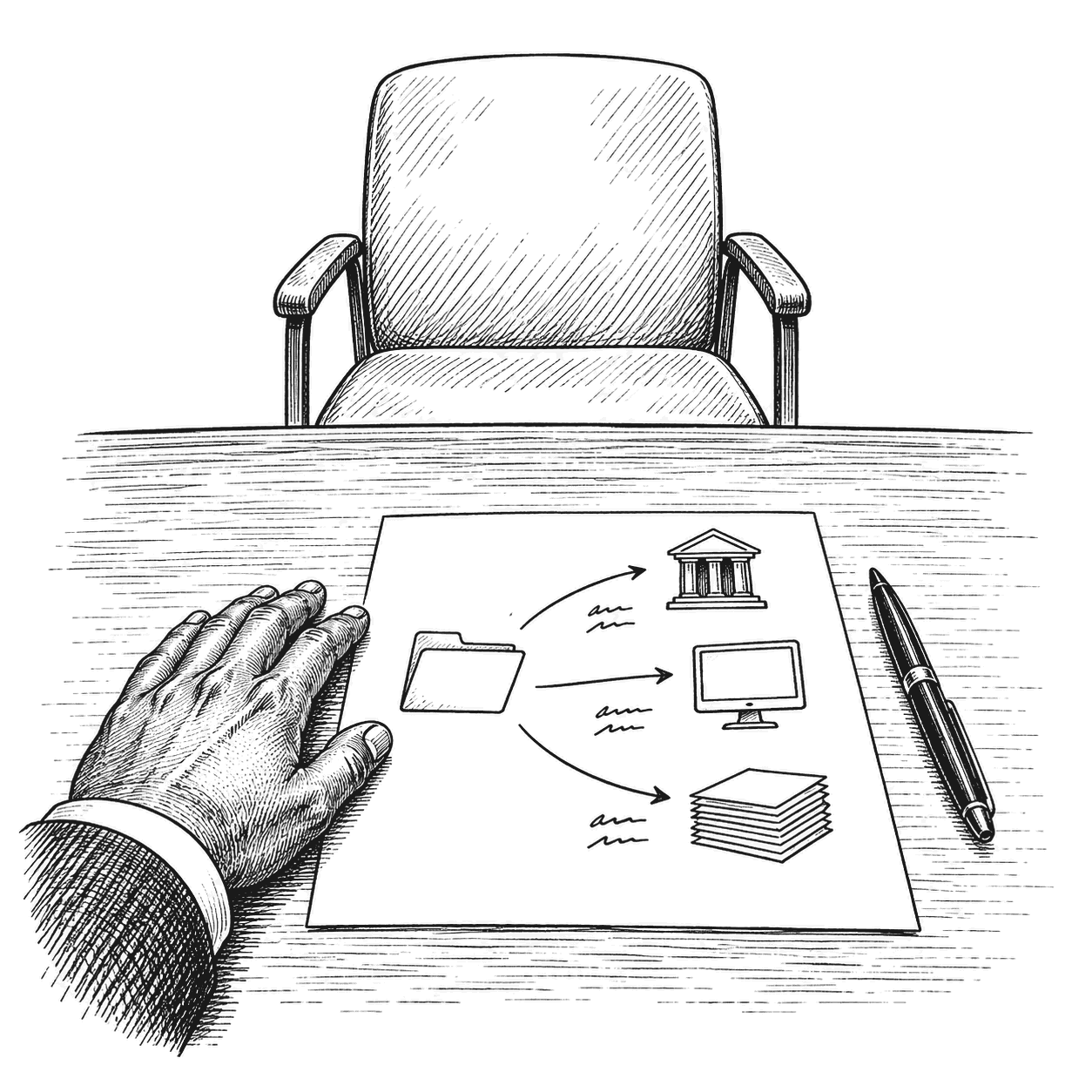
Draw the privacy notice. A one-page picture of where a client’s information goes, and why each stop is there, is the advisor’s version of the Real Glasses infographic. In the experiment, the same terms felt about half as intrusive when a picture explained them.
Give the reason for every stop. The picture raised trust more when people were told why their data was shared. ‘The custodian needs it to hold your assets’ and ‘The planning software needs it to model your retirement’ are reasons a client can weigh.
Show it before they sign. Participants met the terms before they could try the glasses. For a new client, that moment is the account paperwork. A picture of where their information goes, handed over with the forms, puts the explanation next to the signature.
The bottom line
Adults asked to accept terms for smart glasses that would sell their personal information found the privacy policy about half as intrusive when an infographic explained it, and trusted the company more. The picture raised trust further when they were also told why their data would be sold.
The Trust Times is a running collection of independent, peer-reviewed research on how trust is built. Each issue distills a handful of studies into plain language, with a practical note on what it means in practice.